What Is a Trekking Permit in Nepal?
A trekking permit is an official authorization required for certain trekking destinations in Nepal. The Department of Immigration issues special permits for areas classified as restricted because of their geographic location, environmental sensitivity, or border considerations.
Nepal Tourism Board states that trekkers entering restricted areas must obtain the appropriate trekking permit, and the permit must be carried during the trek and shown to immigration or police officials when requested.
Not every trekking route requires the same type of permit. Therefore, checking the requirements for your exact itinerary before departure is essential.
What Permits Do You Need for Trekking in Nepal?
There are generally three important types of permissions or fees travelers should consider:
1. TIMS Card
The Trekkers' Information Management System (TIMS) records information about trekkers and helps support safety, security, and emergency management.
Current Nepal Tourism Board guidance says many major trekking routes require trekkers to be accompanied by a licensed guide and carry an agency-issued TIMS Card. The current listed TIMS charges are NPR 2,000 for travelers from countries outside SAARC and NPR 1,000 for SAARC applicants.
The requirement applies to numerous popular routes, including Everest Base Camp, Annapurna Circuit, Mardi Himal, Langtang, Manaslu, and several other trekking areas.
2. National Park or Conservation Area Entry Permit
Many trekking routes pass through protected areas. In such cases, trekkers need to pay the applicable entry fee for the relevant national park or conservation area.
For example, routes in the Annapurna, Everest, and Langtang regions may involve protected-area entry requirements in addition to TIMS or other permits.
Nepal Tourism Board confirms that trekkers entering protected areas must obtain the relevant entry permit and pay the applicable entrance fee.
3. Restricted Area Trekking Permit
Some destinations are designated as restricted areas. Foreign trekkers need a special trekking permit issued through the Department of Immigration.
Examples include Upper Mustang, Upper Dolpa, parts of Manaslu, Tsum Valley, Humla, and several border-region trekking areas.
These permits are different from ordinary national park or conservation-area entry fees and can be significantly more expensive.
Nepal Trekking Permit Fees
Permit costs depend heavily on the trekking destination and season. Some of the current restricted-area fees listed by Nepal's Department of Immigration include:
Trekking Area | Current Restricted-Area Permit |
Upper Mustang | USD 50 per person/day |
Upper Dolpa | USD 500 per person for first 10 days; USD 50/day thereafter |
Manaslu | Seasonal fee; varies by period |
Tsum Valley | Seasonal fee; varies by period |
Humla | USD 50/person/week; additional daily fee after one week |
Lower Dolpa | USD 20/person/week; additional daily fee after one week |
Dolakha | USD 20/person/week |
Rasuwa restricted areas | USD 20/person/week |
Manang restricted areas | Seasonal fee; varies by period |
These are restricted-area permit fees, not the total cost of trekking. You may also need TIMS, protected-area entry fees, transportation, accommodation, guide, porter, food, insurance, and other expenses.
Because government fees can change, travelers should verify the latest amount before booking or starting their trek.
Upper Mustang Trekking Permit
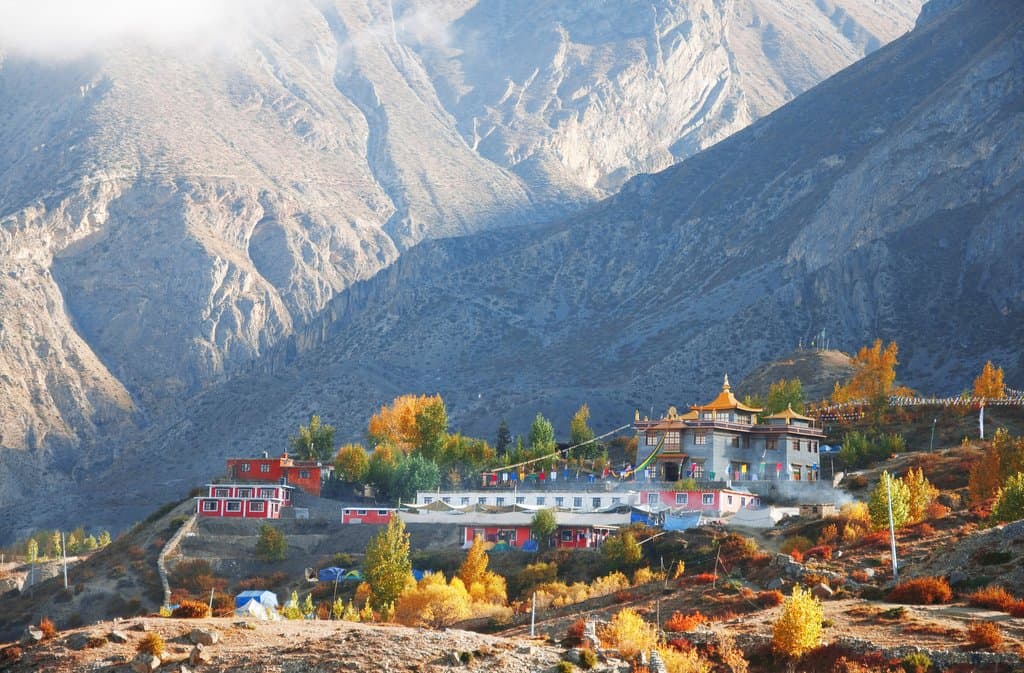
Upper Mustang is one of Nepal's most distinctive trekking destinations, famous for its desert-like Himalayan landscapes, ancient villages, monasteries, and Tibetan-influenced culture.
The current Department of Immigration fee for the Upper Mustang restricted area is USD 50 per person per day.
Because Upper Mustang is a restricted area, travelers need the appropriate special permit and must follow the authorized trekking route.
Upper Dolpo Trekking Permit
Upper Dolpo is one of Nepal's most remote trekking destinations. Its dramatic landscapes, high passes, traditional villages, and isolated culture make it particularly attractive to experienced adventure travelers.
The current restricted-area fee is USD 500 per person for the first 10 days, followed by USD 50 per person per additional day.
The high permit cost reflects the special status and remote nature of the region.
Manaslu Trekking Permit
The Manaslu Circuit Trek is another popular route where travelers need to pay a restricted-area permit fee for the relevant section.
The Department of Immigration currently lists seasonal rates for the Manaslu area, with different charges for September–November and December–August.
Because the permit is seasonal, travelers should confirm the applicable rate for their exact trekking dates.
Tsum Valley Trekking Permit
The Tsum Valley Trek takes travelers through one of the culturally rich and relatively remote areas of the Gorkha district.
The restricted-area permit also has seasonal pricing. The current Department of Immigration information lists different weekly rates for September–November and December–August, with an additional daily charge after the initial period.
Do You Need a TIMS Card?
For many popular trekking routes, yes.
Current Nepal Tourism Board guidance identifies numerous routes where trekkers must have a licensed guide and an agency-issued TIMS Card. These include:
Everest Base Camp Trek
Gokyo Trek
Everest View Trek
Annapurna Circuit Trek
Mardi Himal Trek
Poon Hill–ABC Trek
Manaslu Circuit Trek
Langtang Valley Trek
Tamang Heritage Trek
Kanchenjunga Base Camp Trek
Makalu Base Camp Trek
Upper Mustang Trek
Upper and Lower Dolpo routes
The exact requirement depends on the route, so always check the latest official guidance before traveling.
Can You Get Trekking Permits Yourself?
For ordinary protected-area entry fees, procedures can differ by destination. However, restricted-area trekking permits are handled through registered trekking agencies.
Nepal's Department of Immigration states that special permits for restricted areas are issued through listed trekking agencies.
This is one reason booking through a reliable trekking company can make the planning process easier. The agency can help arrange permits, guides, transportation, accommodation, and the required trekking documentation.
Documents Required for Trekking Permits
The exact documents depend on the permit and application type. For restricted-area permits, the Department of Immigration currently lists requirements including:
Online application receipt
Trekking agency license
Trekking itinerary/program schedule
Trekkers' name list
Trekker application form and photograph
Agency guarantee and agreement
Payment documents
Insurance documents
Relevant agency registration and tax documents
Many of these documents are submitted by the registered trekking agency rather than directly by the individual traveler.
Why Are Trekking Permits Important?
managing tourism and protecting trekkers.
Permits help authorities:
Record trekkers entering specific regions
Monitor trekking activities
Support safety and emergency management
Manage tourism in sensitive areas
Control access to restricted regions
Support conservation and local tourism infrastructure
TIMS, in particular, helps maintain information about trekkers and can assist with safety and rescue efforts.
What Happens If You Trek Without the Required Permit?
Travelers should never assume that a permit is optional.
Nepal Tourism Board states that trekking outside the specified route under a restricted-area permit can be considered a violation of the law. The permit should also remain with the trekker and be available for inspection by immigration or police officials.
Traveling without the correct documentation can create problems during checkpoints and may lead to penalties or interruptions to your trek.
How to Prepare Your Trekking Permits
Before traveling to Nepal, follow these simple steps:
Step 1: Choose Your Trek
Decide whether you want to trek in the Everest, Annapurna, Langtang, Manaslu, Mustang, Dolpo, or another region.
Step 2: Check Permit Requirements
Determine whether your route requires TIMS, a protected-area entry permit, a restricted-area permit, or multiple permits.
Step 3: Choose a Registered Trekking Agency
For routes requiring restricted-area permits and agency-issued TIMS, work with a government-registered trekking company.
Step 4: Prepare Your Documents
Keep your passport details, photographs, insurance information, itinerary, and other required documents ready.
Step 5: Confirm Current Fees
Government fees can change. Confirm the latest official charges before paying or finalizing your trekking budget.
Step 6: Keep Your Permits Safe
Carry your permits throughout the trek and keep digital or photocopied backups of important documents.
Tips for Travelers
A few simple preparations can make your trekking experience much smoother:
Check your route carefully: A trek can cross different protected or restricted areas.
Budget for more than the permit: TIMS and permits are only part of your total trekking cost.
Use a registered agency: This is particularly important for restricted areas.
Keep documents accessible: You may be asked to show permits during the trek.
Check seasonal fees: Some restricted-area permits have different rates depending on the month.
Verify information before departure: Always confirm current government requirements because regulations and fees can change.
Conclusion
Understanding Nepal trekking permits is an important part of planning a safe and hassle-free Himalayan adventure. Depending on your route, you may need a TIMS Card, protected-area entry permit, restricted-area trekking permit, or a combination of these.
Popular routes such as Everest, Annapurna, Mardi Himal, and Langtang have their own documentation requirements, while remote destinations such as Upper Mustang, Upper Dolpa, Manaslu, and Tsum Valley have additional restricted-area regulations.
The easiest way to avoid confusion is to plan your trek in advance and work with a reliable, registered trekking agency. Before your journey, always verify the latest government rules, permit fees, and route requirements.
Planning your Himalayan adventure? Haneul Himalaya can help you choose the right trek, organize your itinerary, arrange the necessary trekking documentation, and make your journey through Nepal easier from start to finish. Explore Nepal with confidence and let your Himalayan adventure begin.