What Is a Guided Trek?
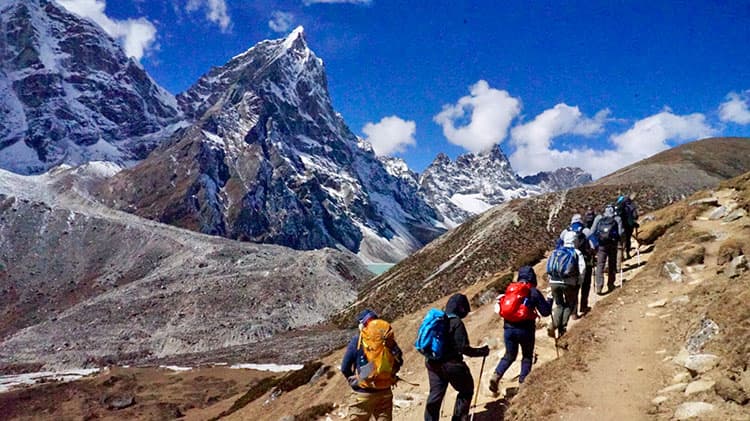
A guided trek is organized through a trekking company or travel agency, where a licensed guide—and often porters—accompany you throughout the journey. They take care of permits, accommodations, transportation, route planning, and provide valuable local knowledge.
Advantages of a Guided Trek:
Enhanced Safety: Guides know the trails, weather conditions, and emergency procedures, making your trek much safer.
Stress-Free Planning: Your permits, accommodation, meals, and transportation are arranged in advance.
Cultural Experience: Local guides introduce you to the traditions, history, and lifestyle of the communities you visit.
Support During the Trek: If altitude sickness, injuries, or unexpected weather occur, your guide can respond quickly.
Disadvantages
Higher overall cost.
Less flexibility if you want to change your itinerary during the trek.
What Is an Independent Trek?
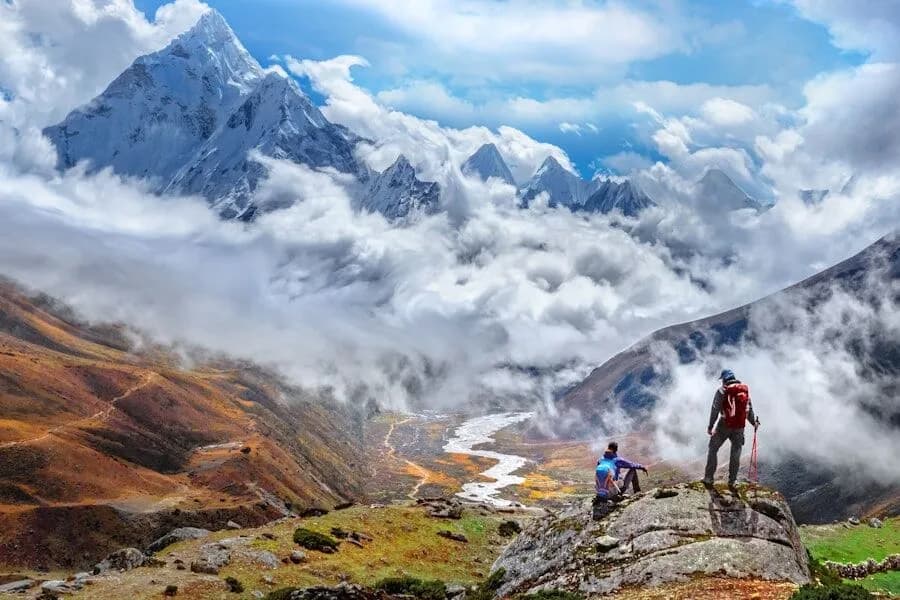
An independent trek means you organize the journey yourself. You plan your route, book accommodations, arrange permits, and travel without a guide.
Advantages of an Independent Trek
Complete Freedom: Walk at your own pace and adjust your schedule whenever you like.
Budget-Friendly: Without guide and porter fees, costs can be lower.
Personal Adventure: Many experienced trekkers enjoy the challenge of planning and navigating on their own.
Disadvantages
More responsibility for planning and navigation.
Greater risks in remote areas if emergencies arise.
Limited local knowledge about culture, wildlife, and hidden attractions.
Guided Trek vs Independent Trek: Quick Comparison
Feature | Guided Trek | Independent Trek |
Safety | High | Moderate |
Cost | Higher | Lower |
Flexibility | Moderate | High |
Local Knowledge | Excellent | Limited |
Planning Required | Minimal | Extensive |
Best For | Beginners & Families | Experienced Trekkers |
Which Option Should You Choose?
A guided trek is ideal if you're visiting Nepal for the first time, trekking at high altitudes, or exploring remote regions such as Upper Mustang, Manaslu, or Kanchenjunga. It offers peace of mind, expert guidance, and a richer cultural experience.
An independent trek may be suitable for experienced hikers who are comfortable with route planning, navigation, and managing unexpected situations. Popular and well-established trails can be easier to complete independently, provided you understand local regulations and prepare properly.
Conclusion
Both guided and independent trekking offer incredible ways to experience Nepal's natural beauty. If you value convenience, safety, and local expertise, a guided trek is the better choice. If you prefer flexibility and already have trekking experience, an independent trek can be equally rewarding.
No matter which option you choose, proper preparation and responsible travel will help you make the most of your Himalayan adventure.