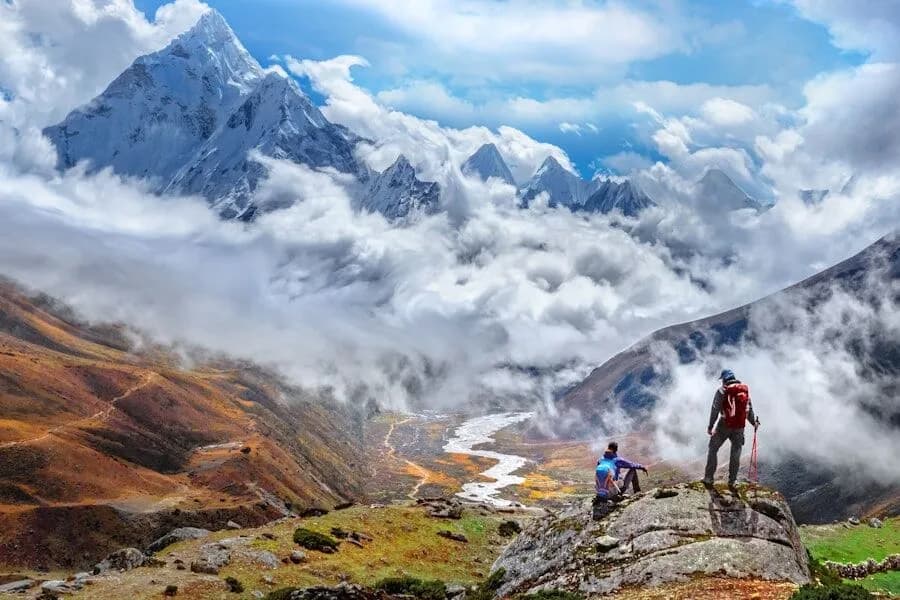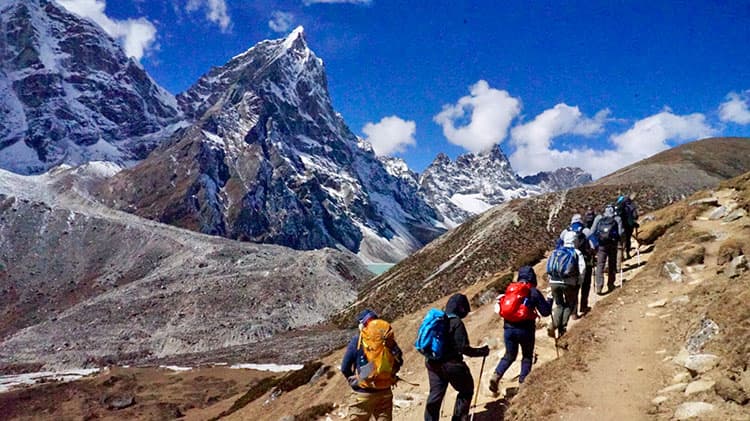
1. Choose the Right Trek for Your First Adventure
The first step in Nepal trekking preparation is choosing a route that matches your fitness, experience, available time, and interests.
Nepal offers trekking routes ranging from short and relatively easy hikes to demanding high-altitude adventures.
Beginner-friendly options include:
Ghorepani Poon Hill Trek – Great for first-time trekkers and mountain views
Mardi Himal Trek – Scenic and suitable for reasonably fit beginners
Dhampus Trek – Short and accessible
Australian Camp Trek – Ideal for a quick Himalayan experience
Langtang Valley Trek – A longer cultural and mountain adventure
Everest View Trek – An introduction to the Everest region
Don't choose a trek simply because it is famous. A shorter route that matches your ability can be much more enjoyable than an ambitious itinerary that leaves you exhausted.
2. Start Your Fitness Preparation
You don't need to become a professional athlete before trekking in Nepal. However, improving your endurance and leg strength can make a major difference.
Start preparing several weeks before your trek.
Focus on:
Regular walking
Hiking
Stair climbing
Uphill walking
Squats and lunges
Cardiovascular exercises
Longer weekend walks
Try gradually increasing the distance and duration of your walks.
Remember that trekking isn't just about walking uphill. You will also need to handle downhill sections, uneven terrain, stone steps, and consecutive days of walking.
3. Practice Walking With a Backpack
One common mistake beginners make is preparing physically but never testing their trekking equipment.
Before leaving for Nepal, practice walking with the backpack you plan to use.
Start with a light load and gradually increase it. This helps your shoulders, back, hips, and legs become accustomed to carrying weight.
If you are using a porter, you won't need to carry your entire trekking luggage yourself, but you should still have a comfortable daypack for essential items.
4. Understand Altitude and Acclimatization
Altitude is one of the most important things to understand before your first Himalayan trek.
As you travel to higher elevations, the available oxygen decreases. Your body needs time to adjust, which is why well-planned trekking itineraries include appropriate acclimatization.
Altitude sickness can cause symptoms such as:
Headache
Tiredness
Dizziness
Nausea
Loss of appetite
Difficulty sleeping
Never ignore worsening symptoms at high altitude.
A good trekking itinerary should allow your body enough time to adapt. Follow your guide's instructions, stay hydrated, avoid rushing upward, and communicate immediately if you feel unwell.
If you have concerns about your ability to trek at altitude, consult a qualified medical professional before your trip.
5. Prepare the Right Trekking Gear
Having suitable equipment can make your trek much more comfortable.
Your exact packing list depends on the route and season, but common essentials include:
Clothing
Moisture-wicking base layers
Trekking trousers
Warm fleece or insulating layer
Waterproof jacket
Warm hat
Gloves
Comfortable trekking socks
Footwear
Good trekking shoes or boots are essential. Ideally, break them in before your trip to avoid blisters.
Other Essentials
Backpack or daypack
Water bottle
Sunglasses
Sunscreen
Headlamp
Trekking poles
Personal toiletries
Basic first-aid supplies
Personal medication
Power bank
Sleeping bag for colder routes
Avoid overpacking. Carry only what you genuinely need.
6. Check the Weather and Trekking Season
Nepal's mountain weather changes depending on the season and altitude.
Spring (March–May) is popular for comfortable trekking conditions, blooming rhododendrons, and mountain views.
Autumn (September–November) is another popular period, often offering clear mountain visibility and favorable trekking conditions.
Winter (December–February) can be cold, particularly at higher elevations, but lower-altitude routes can still be attractive.
Monsoon (June–August) brings rain to many trekking regions. Trails can become wet and slippery, although some destinations in rain-shadow areas can remain suitable.
Before departure, check current weather forecasts and local trail conditions.
7. Understand Trekking Permits and TIMS
Before starting your trek, make sure you understand the documentation required for your specific route.
Depending on the destination, you may need:
TIMS Card
National park entry permit
Conservation area permit
Restricted-area trekking permit
Requirements can vary between trekking regions and may change over time.
Some major trekking routes currently require trekkers to be accompanied by a licensed guide and carry the appropriate TIMS documentation.
If you're booking through a registered trekking agency, the agency can help arrange the necessary permits and documentation.
8. Plan Your Accommodation and Meals
Many popular trekking routes in Nepal use teahouses or lodges for accommodation.
Teahouses generally provide a basic room and access to shared facilities. Facilities can become more basic as you travel to remote or higher-altitude areas.
Meals commonly include options such as:
Dal bhat
Noodles
Rice
Soups
Pasta
Eggs
Bread
Tea and other hot drinks
Food availability varies by route.
If you have dietary restrictions, inform your trekking company in advance and communicate clearly with accommodation providers during the trek.
9. Prepare Your Travel Documents
Keep your important documents organized before leaving home.
Depending on your trip, you may need:
Passport
Nepal visa
Travel insurance documents
Trekking permits
Emergency contact information
Flight and transportation details
Copies of important documents
Keep digital backups as well as physical copies.
It is also a good idea to share your itinerary and emergency contact details with someone you trust.
10. Get Appropriate Travel Insurance
Travel insurance is an important part of preparing for a Himalayan trek.
Before purchasing a policy, carefully check whether it covers:
Trekking at your planned altitude
Emergency medical treatment
Helicopter evacuation when medically necessary
Trip cancellation
Lost or delayed baggage
Other activities included in your itinerary
Do not assume that every travel insurance policy covers high-altitude trekking or evacuation.
Read the policy conditions carefully before your trip.
11. Learn How to Stay Hydrated
Staying hydrated is important during trekking, especially at higher elevations.
Carry a reusable water bottle or hydration system and drink regularly throughout the day.
You may also need to use water purification tablets, filters, or other appropriate treatment methods depending on the route and available water sources.
Avoid relying entirely on sugary drinks or excessive caffeine.
12. Protect Yourself From the Mountain Sun
UV exposure can be stronger at higher elevations.
Pack:
Sunscreen
Sunglasses
Lip balm with SPF
Hat or cap
Apply sunscreen regularly, especially to your face, neck, ears, and other exposed areas.
13. Don't Rush Your Trek
One of the biggest mistakes beginners can make is trying to trek too quickly.
You don't need to race to the next destination.
Walk at a comfortable pace, take regular breaks, drink water, and enjoy the scenery.
A slower and steady pace can help conserve energy and make several consecutive days of trekking more manageable.
Remember: the goal isn't simply to reach the destination. The journey itself is part of the experience.
14. Consider Hiring a Guide and Porter
For first-time trekkers, a local guide can make the experience easier and more enjoyable.
A guide can assist with:
Navigation
Accommodation
Local communication
Cultural information
Trekking regulations
Itinerary management
Recognizing potential altitude problems
A porter can also reduce the physical burden by carrying your main luggage.
Beyond practical support, local guides can introduce you to places, stories, traditions, and communities you might otherwise miss.
15. Respect Local Culture and the Environment
Trekking through Nepal means traveling through communities with their own traditions and cultural practices.
Be respectful when visiting villages, monasteries, temples, and other cultural sites.
Simple practices can make a difference:
Ask before photographing people
Respect local customs
Avoid littering
Carry reusable bottles
Stay on designated trails
Avoid unnecessary plastic
Dispose of waste properly
Respect wildlife and natural areas
Responsible trekking helps preserve Nepal's mountains for future generations.
Beginner's Trekking Checklist
Before leaving for Nepal, make sure you have considered:
Chosen a trek suitable for your fitness level
Started physical training
Tested your trekking shoes
Prepared appropriate clothing
Checked seasonal weather
Confirmed required permits
Purchased suitable travel insurance
Organized passport and visa
Prepared necessary medications
Planned accommodation and transportation
Shared your itinerary with someone
Learned basic altitude-safety principles
Prepared emergency contacts
Common Mistakes First-Time Trekkers Should Avoid
Choosing a Trek That Is Too Difficult
Don't let social media convince you that you need to complete Nepal's hardest trek.
Wearing New Shoes
Breaking in your trekking footwear before the trip can help prevent painful blisters.
Overpacking
A heavy backpack can make every uphill section harder.
Ignoring Altitude Symptoms
Never assume that serious altitude symptoms will simply disappear if you continue climbing.
Not Training
Even an easy trek becomes harder when your body isn't accustomed to long periods of walking.
Rushing
Trying to complete a route faster than recommended can increase fatigue and create unnecessary risks.
Conclusion
Preparing for your first trek in Nepal doesn't have to be complicated. The key is to choose the right route, prepare your body, understand altitude, pack wisely, check trekking requirements, and give yourself enough time to enjoy the journey.
Whether you're interested in Poon Hill, Mardi Himal, Langtang, Everest View, or another Himalayan adventure, proper preparation can make your experience safer and more enjoyable.
At Haneul Himalaya, we help travelers plan unforgettable trekking and vacation experiences in Nepal. From choosing a route that matches your experience to organizing your itinerary and trekking arrangements, our goal is to make your Himalayan journey easier from the very beginning.
Ready for your first Himalayan adventure? Start planning your Nepal trek with Haneul Himalaya and take your first step toward the mountains.